Dec 8
From Tumblr Microlabel to LGBTQ+ Talking Point: How “Berrisexuality” Entered the Conversation
READ TIME: 3 MIN.
When a new sexuality term first appears on Tumblr or TikTok, it often starts as a niche in-joke before becoming part of a much broader conversation about identity and language. That is what has happened with “berrisexuality,” a microlabel now circulating widely in LGBTQ+ online communities.
According to reporting by LGBTQ+ magazine Attitude, “berrisexuality” was coined in November 2023 by Tumblr user "genderstarbucks" as a way to describe people who are primarily attracted to feminine-aligned and androgynous genders, but who experience only rare or light attraction to masculine-aligned genders or men. This framing has been echoed on community-maintained resources such as the Sexuality Wiki, which similarly defines berrisexuality as attraction to feminine-aligned genders with a rare or light attraction to masculine-aligned genders.
Berrisexuality is one of a growing number of microlabels that people use to describe nuanced experiences of attraction within the broader LGBTQ+ spectrum. Attitude reports that the term has gained traction across platforms including Reddit, TikTok, and Urban Dictionary, where users describe it as capturing a “mostly” lesbian, sapphic, or feminine-focused pattern of attraction that nonetheless allows for occasional attraction to men or masculine-aligned people.
The Sexuality Wiki notes that berrisexuality aligns conceptually with broad multi-gender orientations such as pansexuality or omnisexuality—because it acknowledges potential attraction to people of all genders—while emphasizing a distinct, stronger pull toward feminine-aligned and androgynous genders. Attitude similarly characterizes berrisexuality as overlapping with pansexuality or omnisexuality but marked by what it calls a “light pull toward masculinity,” distinguishing it from identities where attraction is more evenly distributed across genders.
In community discussions, berrisexuality is often mentioned alongside related niche terms, including “almondsexual” and other microlabels such as “leafsexual” and “petalsexual,” which appear in online lexicons and social media posts mapping different attraction patterns.
Coverage by Attitude notes that many social media users have described feeling validated by the term, particularly those who previously identified as lesbian, bi, pan, or sapphic but struggled to reconcile a predominantly feminine attraction with occasional or confusing crushes on men. On Reddit, posters in LGBTQ+ and microlabel-focused subreddits have used berrisexuality to differentiate their experience from terms like “finsexual” or “finssexual,” which some community members use to signal an even stronger or stricter focus on feminine-aligned genders without the same degree of multi-gender attraction implied by pansexual or omnisexual identities.
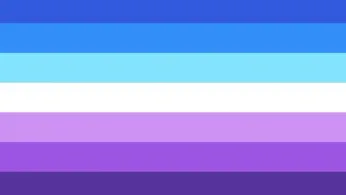
Alongside definitions, visual symbols have also emerged. Attitude reports that a berrisexual pride flag—typically featuring soft pinks and whites—has circulated online as a way for people using the label to recognize one another and express pride in their identity. Images of this flag have appeared on platforms such as Tumblr, Pinterest, and TikTok, often in posts that explain the label or discuss microlabels more broadly.
The rise of berrisexuality sits within a wider debate among LGBTQ+ activists, scholars, and community members about the role of microlabels. Researchers who study sexual identity construction have documented how language for attraction and orientation evolves as people seek increasingly precise ways to describe their experiences. Some academics argue that micro-identities can help reduce shame, encourage self-recognition, and provide tools for people—especially younger LGBTQ+ individuals—to talk about attraction in ways that feel accurate to them.
Therapy-focused commentary on berrisexuality and related phenomena has also appeared in online writing aimed at mental health and relationships. Although this therapeutic usage differs from the microlabel definition circulating in LGBTQ+ spaces, the article situates emergent labels within broader conversations about parasocial connections, digital intimacy, and the way new terms can reduce shame and validate complex experiences.
At the same time, some LGBTQ+ commentators and social media users express concern that an ever-expanding list of terms can be confusing or may risk fragmenting community discourse. Others counter that individuals are free to use, change, or discard labels as needed, and that microlabels like berrisexuality do not replace broader categories such as bisexual, pansexual, lesbian, or queer, but instead offer additional tools for those who find them helpful.
Because berrisexuality remains a very new term without formal academic recognition or established clinical usage, most information about it currently comes from community-created resources, LGBTQ+ media coverage, and social media discussions. Scholars of sexuality note that many labels now taken for granted within LGBTQ+ communities also began this way—emerging first as informal, sometimes playful language that captured real experiences before gaining wider legitimacy.
As online culture continues to shape how people understand gender and sexuality, berrisexuality’s presence on Tumblr, Reddit, TikTok, and other platforms indicates that at least some LGBTQ+ people are finding resonance in the idea of a primarily feminine-focused, but not strictly exclusive, pattern of attraction. For those individuals, the label offers one more way to say: this is how my attraction works, and it is valid.